
Africa has never been more strategically important, and yet strategic importance does not automatically produce economic power. Many significant aspects of the global economic order are shifting. Unlike the past, Africa is no...
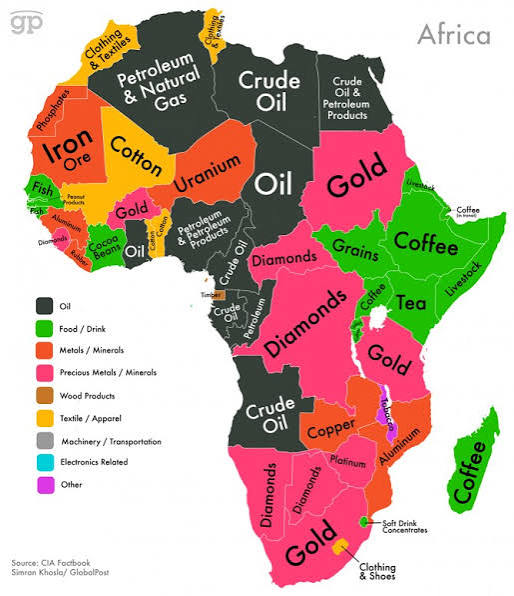
Africa has never been more strategically important, and yet strategic importance does not automatically produce economic power. Many significant aspects of the global economic order are shifting. Unlike the past, Africa is no...
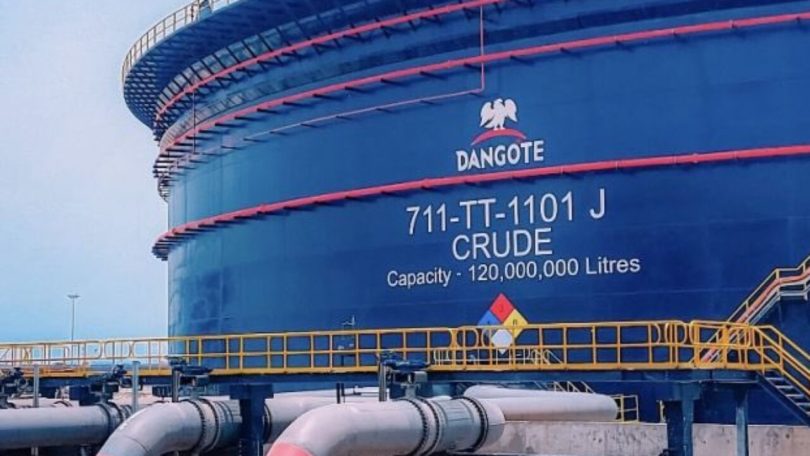
In the second quarter of 2026, Nigerian producers offered 68.1 million barrels of crude to the country’s domestic refiners. 98 percent of it went to one company. Not 98 percent of what that company needed, 98 percent of...
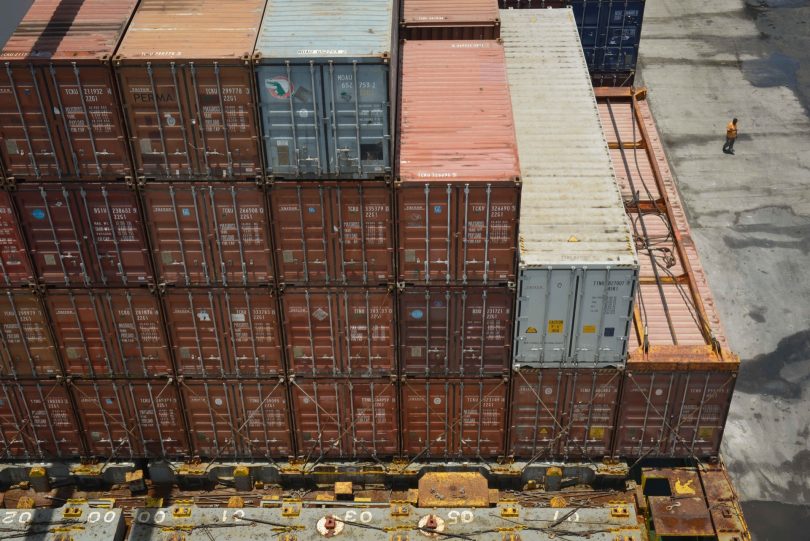
Walk into any market in Lagos, Kano, or Aba, and you will find Chinese goods on almost every shelf. Electronics, clothing, machinery, household items, and building materials. Most of it is manufactured, processed, packaged, and...
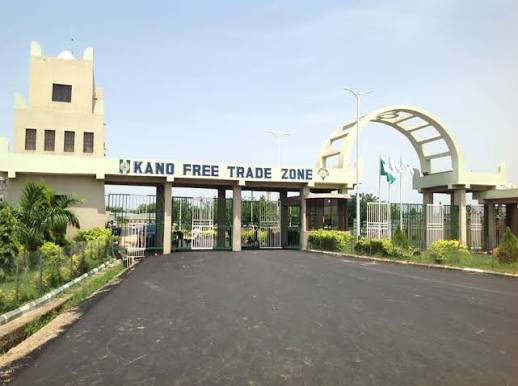
Nigeria’s Free Trade Zones (FTZs) have become one of the country’s favourite economic success stories. The Nigeria Export Processing Zones Authority (NEPZA) reports that the scheme has contributed about $33 billion, attracted...
On May 30, 2026, African trade ministers gathered to review progress under the African Continental Free Trade Area (AfCFTA), a landmark initiative designed to create the world’s largest free trade area by connecting more than 1.4...
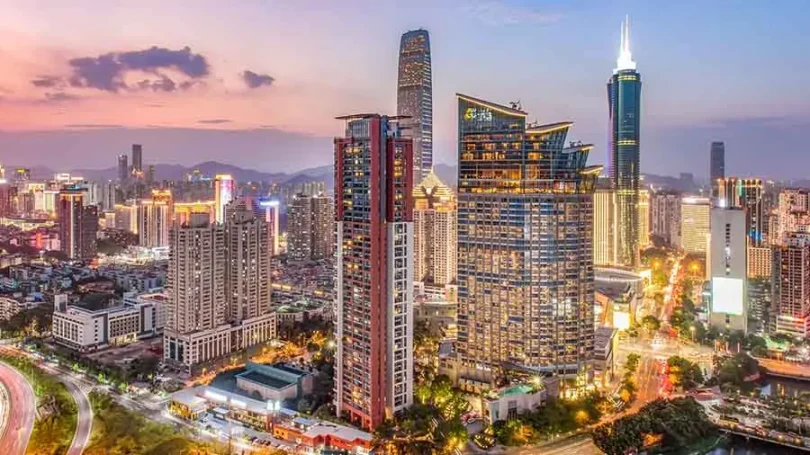
When Chinese leader Deng Xiaoping designated Shenzhen as a Special Economic Zone in 1980, only a few could have predicted that the quiet fishing town with a population of roughly 30,000 people, beside bustling Hong Kong, would...
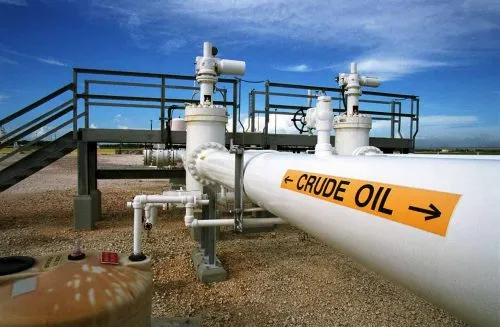
For decades, Nigeria has behaved like a country with one customer, one product, and one economic lifeline: crude oil. Whenever oil prices fall, the naira weakens, inflation rises, public debt grows, and economic confidence...

Human capital accounts for nearly two-thirds of global wealth, says the 2025 World Bank report. Across advanced economies, the relationship between education, skills, and trade competitiveness is both visible and measurable...

Somewhere in a one-bedroom apartment in Yaba, a 26-year-old is designing a brand identity for a startup in Toronto. She invoices in dollars, delivers via email, and never has to leave Lagos. She is, by every definition, an...
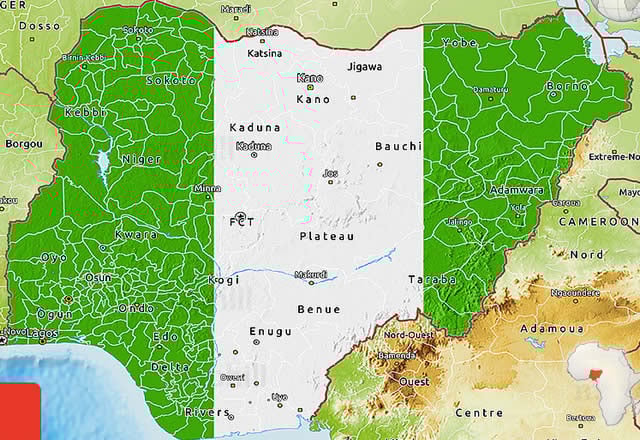
Nigeria, with a landmass of 923,768 square kilometres, is endowed with various unique geological features, holding over 44 different minerals in more than 500 locations across the 36 states of the federation and the Federal...