
Since the release of water from the Lagdo Dam in neighbouring Cameroon in September 2022, many parts of Nigeria have been enmeshed in a devastating flooding crisis. Over 603 people have lost their lives, and more than 1.3 million...
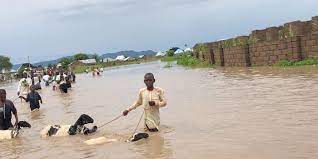
Since the release of water from the Lagdo Dam in neighbouring Cameroon in September 2022, many parts of Nigeria have been enmeshed in a devastating flooding crisis. Over 603 people have lost their lives, and more than 1.3 million...

Despite recovery from the COVID-19 pandemic-induced economic meltdown, Nigeria’s economy is still relatively unstable. Mired in deep-seated corruption and poor leadership, the economy is centered on consumption with little or no...
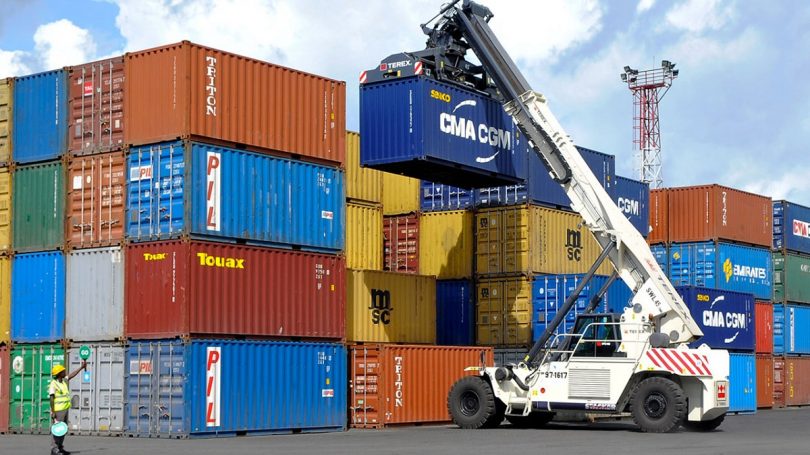
The African Continental Free Trade Area (AfCFTA) represents the first opportunity in Africa’s history to economically integrate the continent’s over 50 countries and pursue greater prosperity based on free trade and continued...

Nigeria is set to benefit from a new trading scheme with the United Kingdom. This was revealed on Tuesday, 16 August 2022, when the UK’s Secretary for International Trade, Anne-Marie Trevelyan, disclosed that Nigeria will be a...
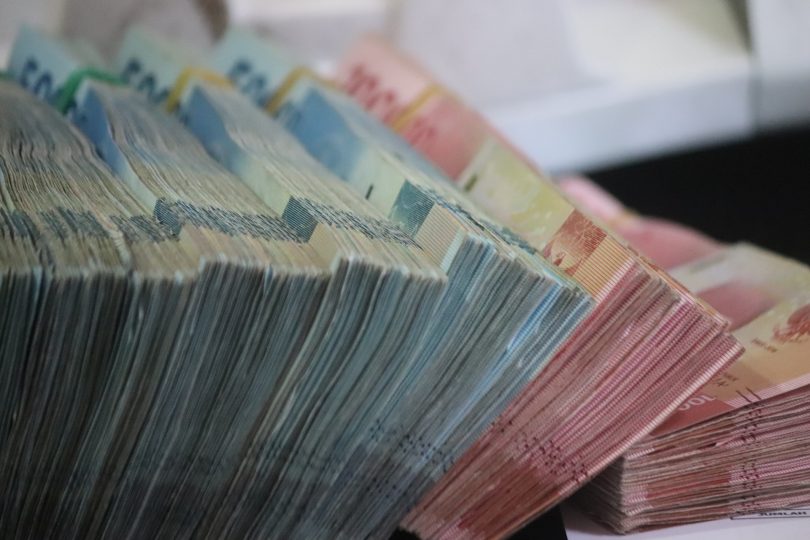
Nigeria is an import-dependent economy. Meaning Nigeria’s economy relies heavily on importing goods from other countries. For instance, about 70 percent of the medicines used in Nigeria are imported. And despite being an...
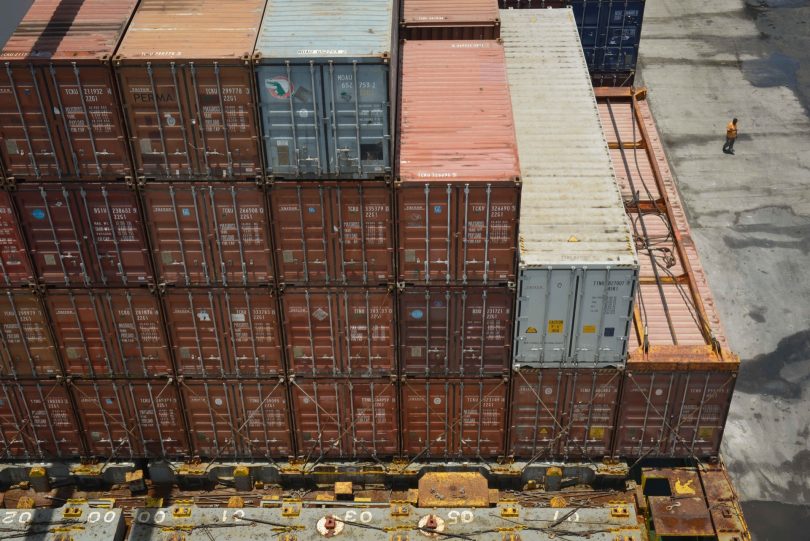
The export of goods and services represents one of the most important sources of foreign exchange earnings for a country as it complements imports and eases the pressure on the balance of payments. Nigeria’s economy has...

Throughout history, man’s existence has been shrouded in a web of complex situations that require a critical approach to problem-solving. The ability of thinkers to proffer solutions to emerging and contemporary problems in...
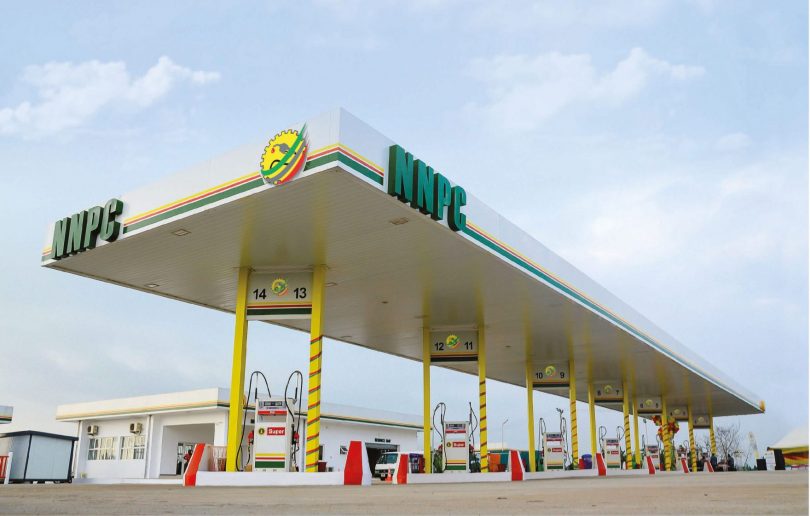
Forty-five years ago, the Nigerian National Petroleum Corporation (NNPC) was established to oversee the country’s crude oil, gas and petrochemical resources. NNPC also had the mandate to manage the joint venture between Nigeria...
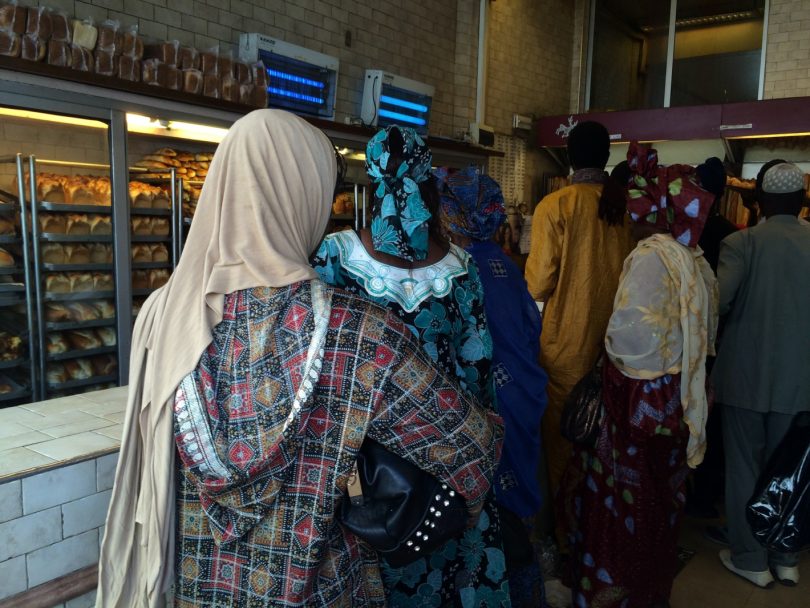
The Central Bank of Nigeria (CBN) currently restricts the importation of over 40 items into the country. This means that it does not provide importers with the needed foreign exchange (forex) for the importation of these items...
More than ever, especially in the wake of disruption in global oil prices and the economic effects of the COVID-19 pandemic, Africa’s largest economy must diversify its economy to stay afloat. In the past four decades, Nigeria...